
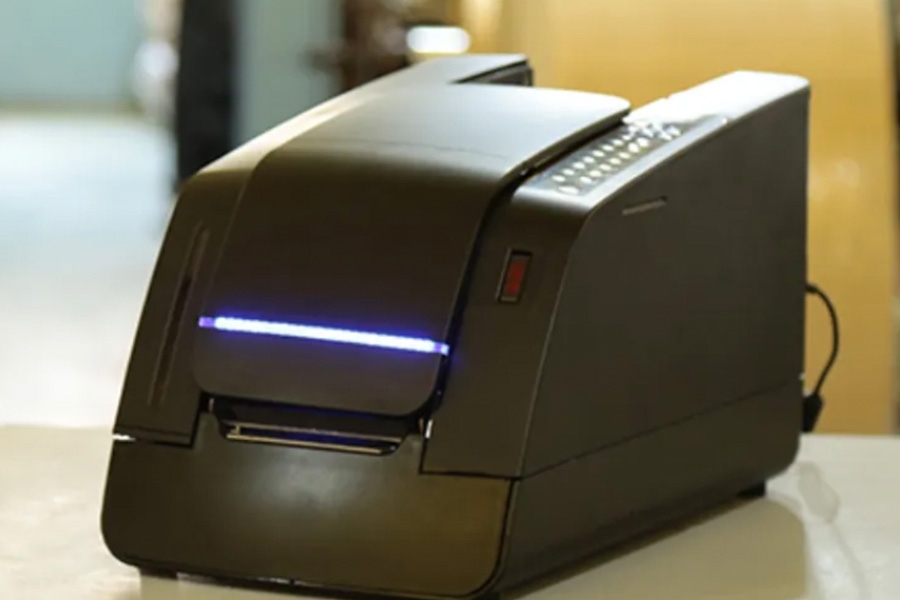
In the fast-paced world of fulfillment and logistics, the equipment at the end of the packing line is just as critical as the technology at the beginning. The paper tape machine has emerged as a cornerstone of efficient, secure, and sustainable packaging operations. Far more than a simple dispensing tool, a paper tape machine represents a strategic investment that directly impacts throughput, cost-per-package, and the customer’s unboxing experience. This guide explores the functionality, benefits, and selection criteria for the modern paper tape machine, drawing on industry expertise to help you make an informed decision.
What Defines a Modern Paper Tape Machine?
A paper tape machine, also known as a gummed tape dispenser or water-activated tape dispenser, is an automated device designed to wet, cut, and dispense water-activated paper tape . The core principle of a paper tape machine lies in its activation mechanism. Unlike pressure-sensitive tapes that are sticky out of the box, the paper tape machine applies water to a starch-based adhesive on the tape, activating its bonding properties . This activated adhesive then penetrates the porous fibers of a corrugated carton, creating a permanent, molecular-level bond that is exceptionally strong and tamper-evident .
The evolution from manual tape guns to the paper tape machine has been driven by a need for consistency and efficiency. A paper tape machine automates the entire process: the operator selects the desired tape length, and the paper tape machine handles the wetting, cutting, and dispensing . This eliminates the guesswork and physical strain associated with manual taping, ensuring that every box is sealed with the same precision. The paper tape machine has become particularly vital in e-commerce fulfillment centers where speed and reliability are paramount .
Operational Benefits of Integrating a Paper Tape Machine
Integrating a paper tape machine into a packing line delivers immediate and measurable benefits. The most obvious advantage is the significant boost in packaging speed. An automatic paper tape machine can dispense tape at speeds of up to 60 meters per minute, with some models even exceeding that . This rapid output, combined with the ability to pre-set tape lengths, drastically reduces the time it takes to seal each carton. In high-volume settings, this efficiency gain can translate to a 20% improvement in overall packaging productivity, as a paper tape machine streamlines the entire sealing workflow .
Beyond speed, the paper tape machine is a tool for cost control. By precisely dispensing a pre-determined length of tape, a paper tape machine virtually eliminates waste. The strong adhesive bond provided by the paper tape machine often requires less tape to achieve a secure seal compared to multiple wraps of plastic tape . This reduction in material usage leads to direct cost savings. Additionally, the durability of the seal created by a paper tape machine helps reduce product damage during transit, minimizing the costs associated with returns and replacements .
Sustainability and Security: Core Advantages of the Paper Tape Machine
Two of the most compelling reasons for adopting a paper tape machine are sustainability and security. The paper tape used in a paper tape machine is made from renewable resources and is 100% recyclable. Crucially, it can be recycled along with the corrugated box, as the paper tape does not contaminate the recycling stream . This is a significant advantage over plastic tapes, which must be removed before recycling. For businesses committed to reducing their environmental footprint, the paper tape machine is an essential component of a sustainable packaging strategy.
Security is another critical benefit. The bond created by a paper tape machine is permanent. Any attempt to peel the tape off will result in the carton tearing, leaving clear, undeniable evidence of tampering . This tamper-evident feature is a powerful deterrent against theft and provides peace of mind when shipping high-value goods. The paper tape machine produces a seal that protects the product from the point of dispatch to the customer’s doorstep.
Choosing the Right Paper Tape Machine
Selecting the right paper tape machine from the airpowerpak range depends on your operational requirements.
For Light to Medium-Volume Operations: A manual paper tape machine, such as the NT-800, is an excellent choice. These paper tape machine units are portable, require no electricity, and offer a reliable and cost-effective entry point . They are ideal for smaller warehouses or as a backup paper tape machine at overflow stations.
For Medium to High-Volume Operations: An electric paper tape machine is the standard. These paper tape machine models automate the dispensing, wetting, and cutting processes. They often feature digital controls for setting tape lengths and are built with rugged steel frames to withstand demanding environments . Models like the NT-AT series are popular choices for their durability and consistent performance .
For Advanced Automation Needs: A paper tape machine with sensor technology takes efficiency to the next level. These advanced paper tape machine units, like the sensor models from airpowerpak, can detect the presence of a carton and automatically dispense the correct tape length, further streamlining the packing process and boosting efficiency by up to 20% .
Maintaining your paper tape machine is straightforward but essential. Regular cleaning of the water reservoir and wetting brushes is crucial to prevent adhesive build-up, which is a common cause of inconsistent sealing and jams . Many modern paper tape machine units are designed for low maintenance, but a simple cleaning routine will extend the lifespan of your equipment significantly.
The paper tape machine is a powerful upgrade for any packaging operation. It delivers a superior seal, enhances efficiency, and supports sustainability goals. For businesses looking to elevate their packaging standards, exploring the range of paper tape machine solutions from airpowerpak is a strategic step toward a more professional and cost-effective fulfillment process.